Welcome to Lodge of Industry 5123

Freemasonry is one of the oldest societies
Freemasonry is one of the oldest societies
Freemasonry is one of the oldest societies
The roots of Freemasonry in the UK can be traced back to the late 16th and early 17th centuries. The term "Freemason" derives from the stonemason guilds of the medieval period. By the late 1500s, there is evidence of lodges that accepted non-operative members, known as speculative masons, who were not stonemasons but were drawn to the p
The roots of Freemasonry in the UK can be traced back to the late 16th and early 17th centuries. The term "Freemason" derives from the stonemason guilds of the medieval period. By the late 1500s, there is evidence of lodges that accepted non-operative members, known as speculative masons, who were not stonemasons but were drawn to the philosophical, moral, and social aspects of the craft.
Freemasonry in the UK has evolved significantly from its origins in the medieval guilds of stonemasons to a complex and multifaceted social fraternity. Its rich history reflects broader social and cultural changes and continues to adapt in contemporary society while preserving its core ideals.
Freemasonry places a strong emphasis on philanthropy and service to humanity. Members are urged to actively seek opportunities to improve the lives of others and contribute positively to their communities.

Our Values and Principals
Freemasonry is one of the oldest societies
Freemasonry is one of the oldest societies
Did you know Freemasonry is one of the UK’s top fundraisers? According to UGLE the average amount given to charities each year is around £52m..
Our core values and principles guide the conduct of our members and shape our philosophy At its heart, Freemasonry emphasises the importance of fellowship and unity among our members. The princip
Did you know Freemasonry is one of the UK’s top fundraisers? According to UGLE the average amount given to charities each year is around £52m..
Our core values and principles guide the conduct of our members and shape our philosophy At its heart, Freemasonry emphasises the importance of fellowship and unity among our members. The principle of brotherhood encourages Masons to support, respect, and care for one another, their families, and foster a sense of community that transcends social, economic, and cultural differences.
Integrity is a fundamental tenet of Freemasonry, emphasising honesty, moral uprightness, and ethical behaviour in all aspects of life. Masons are encouraged to uphold high standards of personal conduct, which is seen as essential for building trust and respect within society at large.
The principle of service reflects the commitment to assist those in need, promote social welfare, and give back to the community. We are often involved in various philanthropic activities, supporting causes that uplift and benefit society.
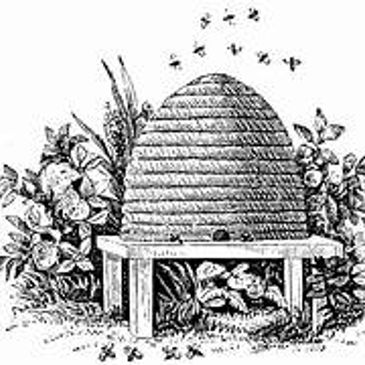
Why the Lodge's logo is the Beehive ?
Freemasonry is one of the oldest societies
Why the Lodge's logo is the Beehive ?
In Freemasonry, the beehive is a symbol rich in meaning, representing several key concepts and values held by Masons.
Industry and Hard Work
The beehive is emblematic of the industriousness and diligence that Freemasons strive to embody. Just as bees work tirelessly to produce honey and maintain their hive, Masons are encouraged to be pr
In Freemasonry, the beehive is a symbol rich in meaning, representing several key concepts and values held by Masons.
Industry and Hard Work
The beehive is emblematic of the industriousness and diligence that Freemasons strive to embody. Just as bees work tirelessly to produce honey and maintain their hive, Masons are encouraged to be productive and diligent in their personal and communal endeavors. This symbol serves as a reminder of the importance of hard work in achieving personal and collective goals.
Cooperation and Teamwork
Bees operate as part of a community, with each member contributing to the overall wellbeing of the hive. This aspect of the beehive symbolizes the value of teamwork and cooperation among Masons. It highlights the belief that individuals can achieve greater success when they work together for a common purpose, reflecting the communal nature of Masonic lodges.
Sweetness of Labour
The honey produced by bees symbolizes the sweetness of life and the rewards of labour. In Freemasonry, this representation extends to the idea that through hard work and ethical living, individuals can enjoy the pleasures and bounties of life. It encapsulates the Masonic ideal that virtue leads to happiness and fulfilment.
Order and Organisation
The structured society of bees each having specific roles and responsibilities serves as a metaphor for the importance of order, discipline, and hierarchy within Freemasonry. Just as the beehive functions optimally through organization and adherence to roles, Masonic lodges thrive through their structured practices and mutual respect among members.
Community and Service
The beehive also symbolises community and service to others. Masons are encouraged to be Philanthropic and to contribute positively to society, much like bees contribute to the ecosystem and sustain life through pollination. This idea aligns with Masonic principles of philanthropy and the importance of supporting others.